Under the Fabric: The Architecture of Comfort
Structural Revival
True upholstery work addresses what lies beneath: springs retied, padding rebuilt, frames reinforced. Your furniture is picked up from your home, brought to our workshop where we strip down to the bones and build back with integrity, then delivered back fully restored. This is surgery, not cosmetics.
Discuss your restoration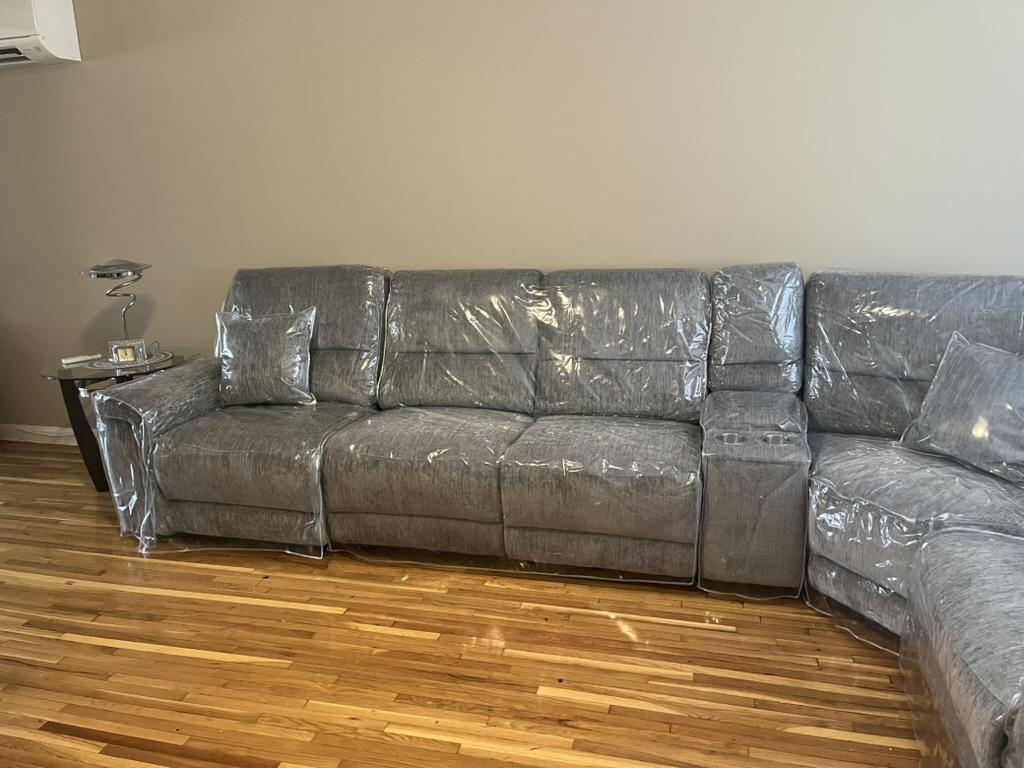
Slipcover or Reupholster?
Best for Slipcovers When...
The upholstery underneath is still good and you want to preserve it while protecting it from daily wear.
You want the flexibility to change your aesthetic seasonally or as your taste evolves.
You\'re renting or expect to move, and want to take your investment with you.
Budget is a concern—slipcovers typically cost 40-60% less than full reupholstery.
Best for Reupholstery When...
The padding has collapsed, springs are broken, or webbing has failed. These are structural issues a slipcover can\'t address.
You have an heirloom or antique piece worth preserving for another generation. Reupholstery extends life by decades.
The original upholstery is damaged beyond use and you want a permanent transformation.
You want period-authentic restoration that honors the piece\'s original construction methods.
Layers of a Chair
Click through to see what lies beneath the fabric
🪑
[Illustration of frame layer]
Frame
The skeleton of the piece. Quality frames use hardwood (oak, maple, beech) joined with mortise-and-tenon or double-dowel joints. We inspect for cracks, loose joints, and wood rot before proceeding. If the frame isn't sound, nothing else matters.
Corner blocks should be glued and screwed, not just stapled. Legs should be part of the frame structure, not attached afterward.
Respecting Antique Frames
Antique furniture was built using techniques that modern manufacturing has abandoned. Mortise-and-tenon joinery. Hand-carved details. Springs tied with specific knot patterns that distribute weight differently than modern methods.
When we reupholster an antique piece, we research its era and construction style. Victorian pieces often used horsehair padding and specific spring configurations. Mid-century pieces might have sculpted foam that needs to be replicated exactly to maintain the designer\'s intended line.
The goal is always to preserve what made the piece valuable while making it usable for contemporary life. Sometimes that means using modern materials in traditional configurations. Sometimes it means sourcing period materials through specialty suppliers.
Upholstery Fabric Selection
Select a fabric swatch above to explore its properties
Material Choices That Matter
Padding
Fabric Weights
Rub Counts
Investment & Timeline
Most upholstery projects take 2-4 weeks from pickup to delivery. Your furniture is transported to our workshop for complete restoration, then returned fully finished. The investment is often less than buying new comparable-quality furniture, and your piece has better bones than most retail options.
Each project is unique and requires individual assessment. Contact us for a personalized quote based on your furniture's condition, structural needs, and fabric selection.